How Q601 Redefines Nuclear Power Underwater Maintenance Standards


Introduction:
" Nuclear power is the backbone of global low-carbon energy supply, but its safe and stable operation depends on rigorous and precise maintenance. Among all maintenance tasks, underwater infrastructure inspection has long been a "pain point" for the industry. Traditional methods such as manual diving and water drainage not only have huge safety risks but also cause huge economic losses due to long downtime."
Three Fatal Shortcomings of Traditional Nuclear Underwater Inspection
For decades, nuclear power plant operators have been trapped in an impossible dilemma when facing underwater inspection tasks:
Extremely High Safety Risks
Divers must enter confined spaces with high radiation and complex water flows, facing dual threats of physical injury and radiation exposure. Even with strict protective measures, accidents still occur from time to time.
Low Efficiency & High Cost
Draining a single intake culvert takes 3-7 days, and each hour of nuclear power unit outage means millions of dollars in losses. Manual diving can only operate 4-6 hours per day.
Incomplete & Inaccurate Detection
In turbid nuclear water, divers can only see objects within 0.5 meters, missing more than 70% of high-risk areas. Manual measurement errors often exceed 5cm.
Q601: Acousto-Optic Fusion Technology Solves Industry Problems
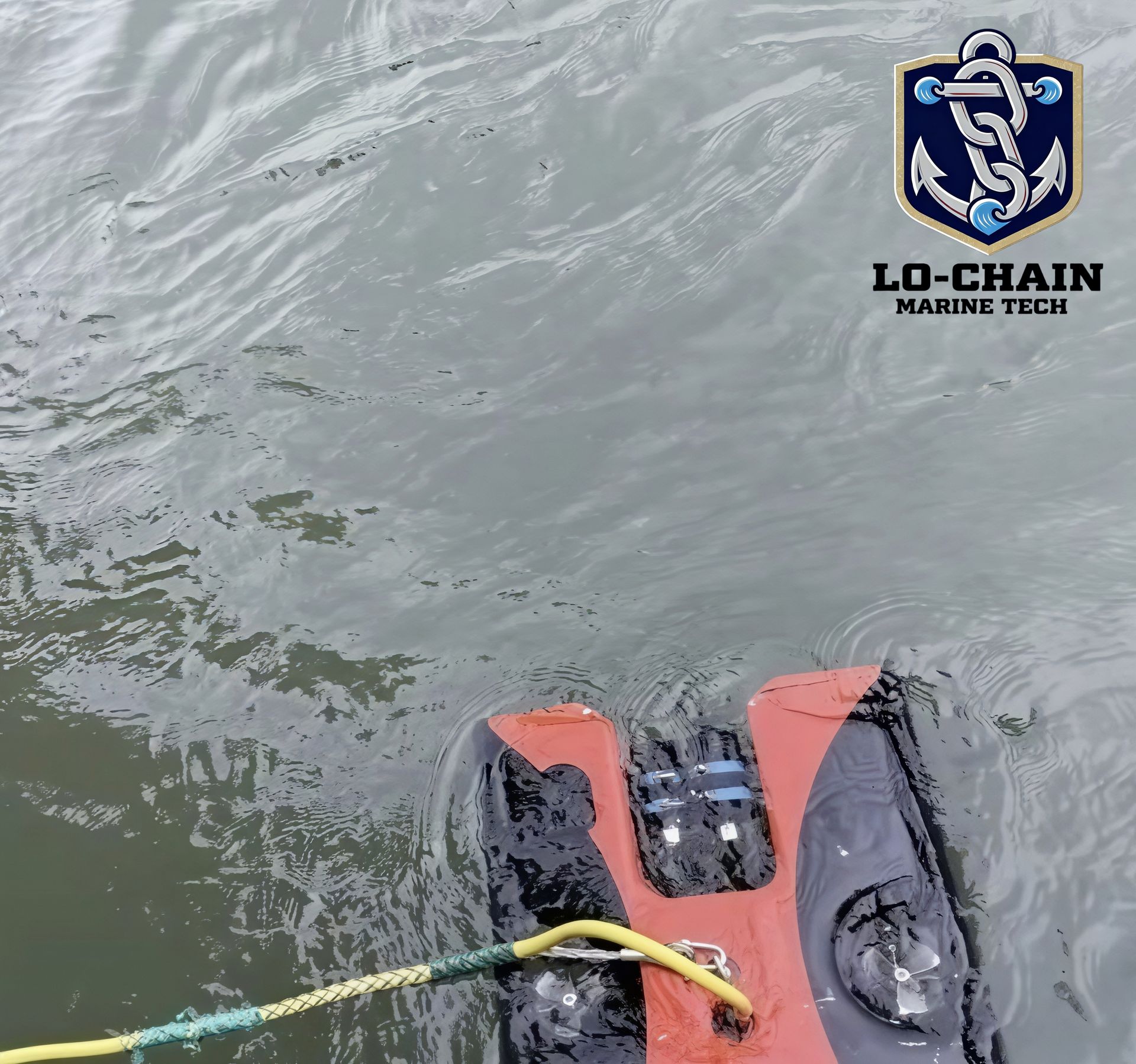
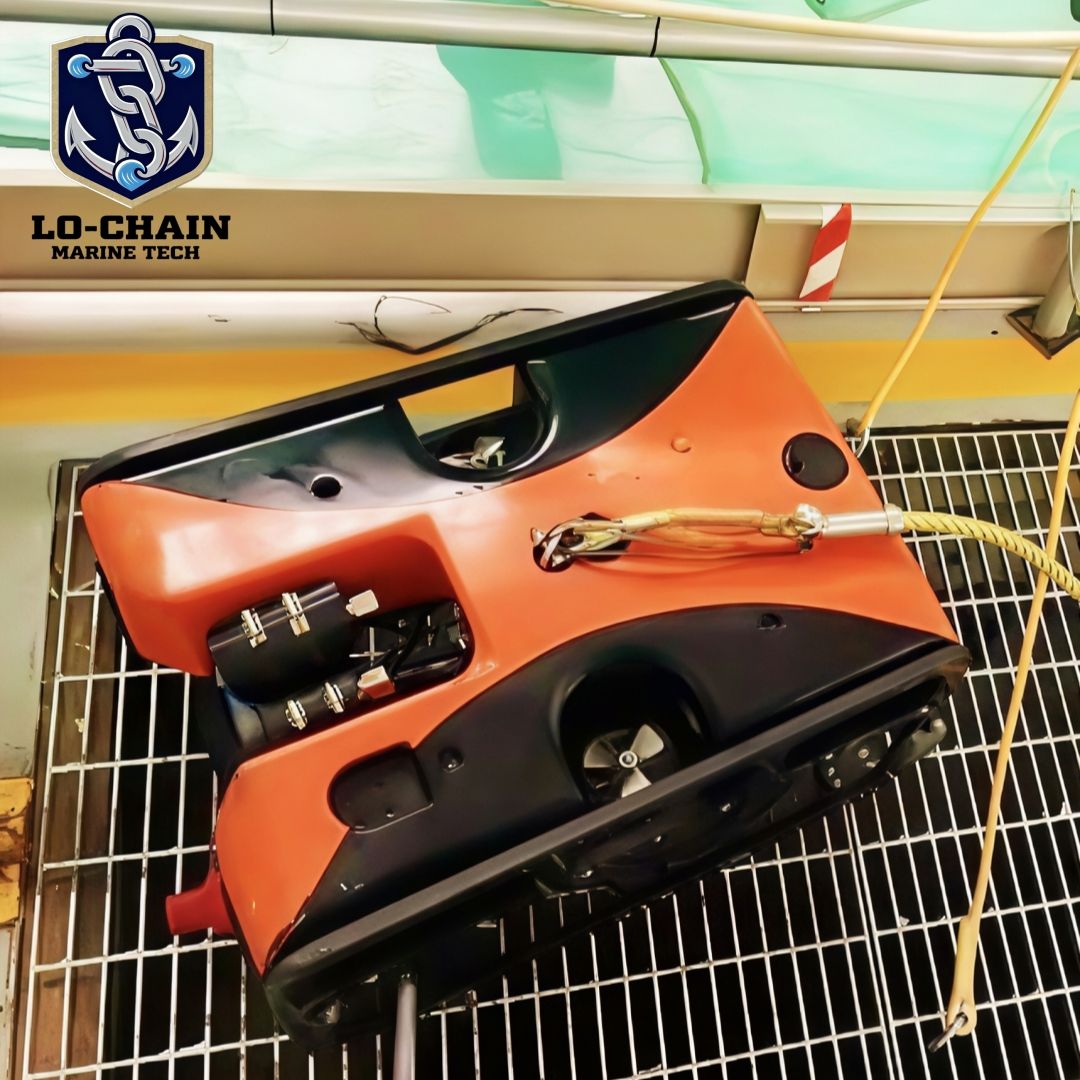
The Q601 observation-class ROV is specifically designed for complex industrial underwater environments. Its core advantage lies in the acousto-optic fusion multi-sensor collaborative detection system, which perfectly combines optical imaging and acoustic detection to achieve all-weather, all-condition underwater perception.
1. Multi-Sensor Collaboration, Clear Imaging Even in Zero Visibility
The Q601 is equipped with a complete perception hardware system:
*1080P low-light HD camera with wide dynamic range, clearly capturing subtle structural details even in low-light environments
*3 sets of 7000 lumen high-brightness LED lights, providing uniform shadowless illumination
*M750D multibeam forward-looking sonar, generating 3D point cloud maps of the surrounding environment within 100 meters
*831L dedicated pipe sonar, performing 360° full-circumference scanning of pipe interiors
In actual operations, optical and acoustic sensors work simultaneously. The sonar first locates targets and builds a global map, then the camera performs close-up detailed shooting.
Even in completely opaque water with zero visibility, the Q601 can still complete full-coverage inspection of the entire structure.
2. RANSAC Algorithm Empowerment, Sub-Centimeter Detection Accuracy
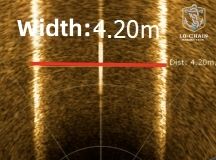
What truly sets the Q601 apart from ordinary ROVs is its powerful data post-processing capability. All detection data is analyzed using the RANSAC (Random Sample Consensus) algorithm, which effectively eliminates noise points caused by water flow, suspended matter, and equipment vibration.
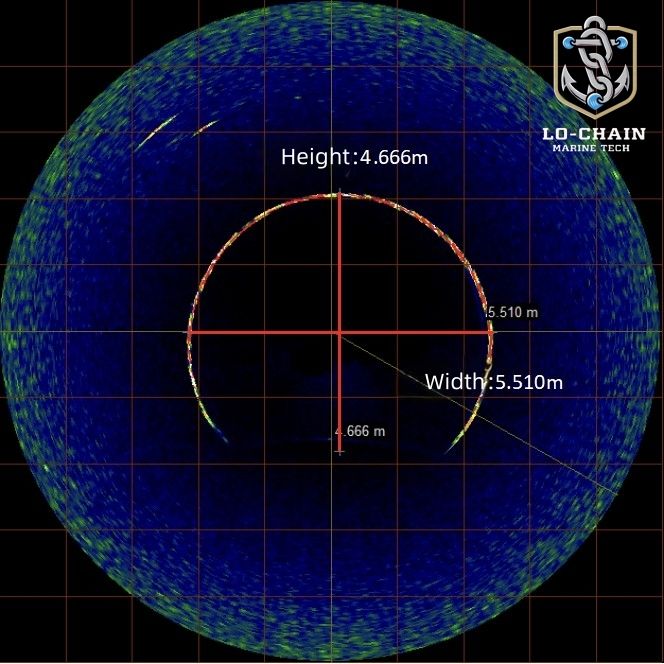
The algorithm randomly selects sample data points for multiple model fittings, ultimately obtaining optimal pipeline shape parameters with fitting diameter error controlled within 0.2cm, reaching sub-centimeter level accuracy. At the same time, based on the fitted pipeline model, the system can automatically calculate key indicators such as average sediment depth and sediment volume, providing quantitative data support for maintenance decisions.
Practical Application: Dramatically Improving Nuclear Power Maintenance Efficiency and Safety
A domestic nuclear power plant needed to conduct a comprehensive inspection of the intake culvert gate well during a planned outage. The traditional solution required draining the entire culvert, which would take at least 5 days and cause huge power generation losses.
After adopting the Q601 ROV solution:
*No water drainage required: Equipment enters water directly for operation, with preparation time of only 30 minutes
*No personnel downhole: All operations are completed remotely on shore, completely eliminating safety risks
*Significantly improved efficiency: Completed full-coverage scanning of upper and lower pipe sections of the gate well in only 8 hours
*Extremely high detection accuracy: Accurately identified 7 cracks less than 1mm wide and 3 local scouring areas
In addition to intake culvert inspection, the Q601 has also been widely used in various nuclear power underwater scenarios, including spent fuel pool inspection, cold source trash rack cleaning, and fuel storage pool lighting maintenance. It has become an indispensable core equipment for the digital transformation of nuclear power plants.
Conclusion
Nuclear safety is no trivial matter. As the global nuclear power industry enters a new round of development boom, how to improve the safety and efficiency of underwater maintenance has become an important issue facing the industry.
The Q601 observation-class ROV replaces manual high-risk operations with advanced acousto-optic fusion technology and intelligent algorithms, achieving a revolutionary breakthrough in nuclear power underwater inspection. It not only greatly reduces maintenance costs and downtime losses but also provides a solid technical guarantee for the long-term safe operation of nuclear power plants.
Technology is changing the way we protect nuclear safety. We believe that with the continuous advancement of underwater intelligent equipment, the global nuclear power industry will usher in a safer, more efficient, and more sustainable future.